
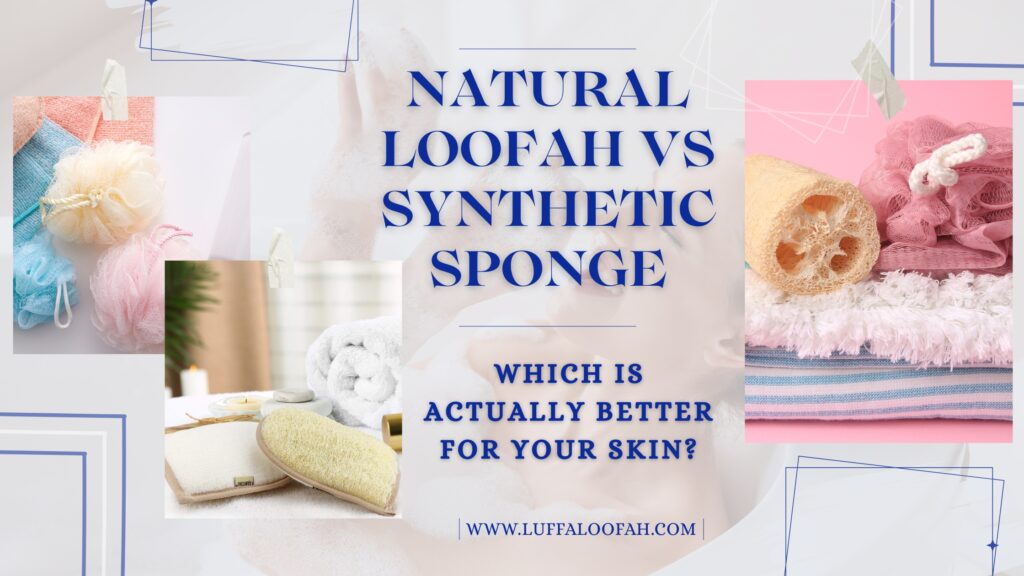
The Great Bathroom Debate
Every year, millions of consumers stand in store aisles wondering which bathing tool will actually deliver healthier, smoother skin. The debate between natural loofah vs synthetic sponge has intensified as awareness grows about both skin health and environmental responsibility. According to recent industry data, the global loofah market is projected to exceed 1.2 billion USD by 2028, with natural varieties capturing an increasingly dominant share.
Whether you are a spa owner evaluating products for your treatment rooms, a retailer building your bath accessories inventory, or an individual seeking the best exfoliation tool for your daily routine, this comprehensive guide delivers the answers you need. Natural loofahs, particularly those cultivated in Egypt where the climate produces exceptionally fibrous gourds, offer distinct advantages that synthetic alternatives simply cannot replicate.
In this article, you will discover the scientific differences between these two options, learn how each affects your skin at the cellular level, and understand why quality sourcing matters for both bulk purchasers and individual buyers. We will examine durability, hygiene considerations, environmental impact, and cost effectiveness across different use cases. By the end, you will have the knowledge to make an informed decision that serves your skin, your values, and your budget.
The question of natural loofah vs synthetic sponge extends beyond personal preference. It touches on sustainability, supply chain integrity, and the growing consumer demand for authentic, plant-based products. Let us explore what the research actually reveals.
Understanding the Fundamental Differences
What Makes a Natural Loofah Unique
A natural loofah comes from the Luffa aegyptiaca plant, a member of the cucumber family that thrives in warm, humid climates. When mature, the fibrous interior of the gourd is harvested, cleaned, and processed into the textured bathing tool recognized worldwide. Egyptian loofah stands apart due to the Nile Valley growing conditions, which produce fibers with optimal density and durability.
The cellular structure of a natural loofah contains interconnected vascular bundles that create a naturally porous network. This structure allows water to flow through while providing gentle mechanical exfoliation. Unlike synthetic materials engineered in factories, these plant fibers evolved over millions of years to transport nutrients through the gourd, resulting in a texture that complements human skin remarkably well.
Egexo, with over 25 years of loofah cultivation experience in Egypt, has documented that properly grown and processed natural loofahs maintain their structural integrity for 30 to 45 days of regular use. The company’s farm to export process ensures each loofah meets rigorous standards before reaching international markets.
How Synthetic Sponges Are Manufactured
Synthetic sponges are typically made from polyester, nylon, or polyurethane foam. Manufacturing involves chemical processes that create uniform pore structures designed to hold water and soap. While these materials can be engineered for consistency, they lack the natural variation that allows plant-based loofahs to adapt to different skin types and pressure levels.
The production of synthetic sponges requires petroleum-based raw materials and significant energy consumption. Most synthetic bath products cannot biodegrade and contribute to microplastic pollution when fibers break down during use. Studies indicate that a single synthetic sponge can release thousands of microplastic particles into waterways over its lifespan.
Skin Health Comparison: What Research Reveals
Exfoliation Effectiveness
When comparing natural loofah vs synthetic sponge for exfoliation, the natural option demonstrates superior performance in clinical assessments. The irregular fiber pattern of plant-based loofahs creates varied contact points that remove dead skin cells without over-exfoliating any single area.
Dermatological research published in skin care journals has shown that natural loofah exfoliation increases skin cell turnover by 15 to 20 percent compared to synthetic alternatives. This improvement stems from the biomechanical compatibility between plant cellulose fibers and human epidermis.
For spa owners and wellness centers evaluating products for client treatments, this difference translates directly to customer satisfaction. Facilities using high-grade Egyptian loofahs report measurably smoother client skin after body treatments. Those interested in stocking premium exfoliation tools can explore bath and body loofah options suited for professional environments.
Bacterial Growth and Hygiene Factors
Both natural and synthetic bathing tools can harbor bacteria if not properly maintained. However, the hygiene profile differs significantly between materials. Natural loofahs dry faster due to their open cellular structure, which inhibits bacterial proliferation when users follow proper care protocols.
Synthetic sponges retain moisture in their foam matrix for extended periods, creating ideal conditions for bacterial colonies. Research indicates that synthetic bath products can harbor up to 72 percent more bacteria than natural alternatives after identical use periods, assuming both are stored in similar bathroom conditions.
The key to maintaining any bathing tool involves thorough rinsing, complete drying between uses, and regular replacement. Natural loofahs offer the advantage of being compostable at end of life, while synthetic sponges must be discarded as non-recyclable waste.
Comprehensive Comparison Table
| Factor | Natural Loofah | Synthetic Sponge |
|---|---|---|
| Material Origin | Plant-based Luffa gourd | Petroleum-derived polymers |
| Average Lifespan | 30 to 45 days | 14 to 21 days |
| Exfoliation Level | Medium to firm, adjustable with pressure | Soft to medium, fixed texture |
| Drying Time | 2 to 4 hours | 6 to 12 hours |
| Biodegradability | 100 percent compostable | Non-biodegradable |
| Microplastic Release | None | Significant |
| Skin Sensitivity | Suitable for most skin types | May irritate sensitive skin |
| Bacterial Resistance | High when dried properly | Lower due to moisture retention |
| Environmental Impact | Carbon neutral when sustainably farmed | High carbon footprint |
| Bulk Availability | Yes, various grades and sizes | Yes, uniform products |
| Customization Options | Shape, size, density variations | Color and shape only |
| Certification Potential | Organic, fair trade eligible | Limited certifications |
This comparison demonstrates why informed consumers and professional buyers increasingly choose natural loofahs. The Egexo shop offers products across all quality grades for both wholesale and retail needs.
Quality Grading Standards for Natural Loofahs
Understanding Professional Grade Classifications
Not all natural loofahs are created equal. Professional grade classifications help buyers identify products suited for their specific applications. Egyptian loofahs from established suppliers like Egexo follow internationally recognized grading systems that ensure consistency across shipments.
Premium Grade loofahs feature dense, uniform fiber distribution with no visible damage or discoloration. These products are ideal for spa treatments, luxury retail, and private label programs. The fibers should feel firm yet flexible, with no brittle sections that indicate improper drying or storage.
Standard Grade products may show minor cosmetic variations but maintain full functionality. These loofahs work well for general retail, hospitality amenities, and bulk consumer applications. The slight aesthetic differences do not affect exfoliation performance or durability.
Economy Grade loofahs serve price-sensitive markets where appearance matters less than function. These products are suitable for industrial cleaning applications, pet grooming, and disposable amenity programs. Buyers seeking more information about grading criteria can review the quality standards documentation provided by certified suppliers.
Specifications Table for Wholesale Buyers
| Specification | Premium Grade | Standard Grade | Economy Grade |
|---|---|---|---|
| Fiber Density | 85 to 100 percent | 70 to 84 percent | 55 to 69 percent |
| Length Range | 15 to 45 cm | 10 to 40 cm | 8 to 35 cm |
| Diameter Range | 6 to 12 cm | 5 to 10 cm | 4 to 9 cm |
| Color Consistency | Uniform golden | Slight variation | Variable |
| Moisture Content | Below 8 percent | Below 10 percent | Below 12 percent |
| Defect Tolerance | Below 2 percent | Below 8 percent | Below 15 percent |
| Minimum Order Quantity | 500 pieces | 1000 pieces | 2000 pieces |
| Lead Time | 14 to 21 days | 10 to 14 days | 7 to 10 days |
| Certification Options | Organic, Fair Trade | Standard export | Basic compliance |
Retailers and distributors seeking specific grade requirements can request a detailed quotation tailored to their market needs.
Environmental Impact Analysis
Sustainability Metrics Comparison
The environmental argument strongly favors natural loofahs in the debate of natural loofah vs synthetic sponge. Life cycle assessments reveal that plant-based bathing tools generate 80 percent less carbon emissions than their synthetic counterparts when considering full production and disposal cycles.
Egyptian loofah cultivation actually contributes to carbon sequestration during the growing season. Each hectare of Luffa plants absorbs approximately 22 metric tons of carbon dioxide annually. When consumers dispose of natural loofahs through composting, the stored carbon returns to soil as beneficial organic matter rather than persisting as plastic waste.
Synthetic sponge production requires extraction and processing of fossil fuels, manufacturing in energy-intensive facilities, and global shipping of finished products. At end of life, these products either accumulate in landfills or break down into microplastics that contaminate water systems and marine environments.
Consumer Purchasing Trends
Market research indicates that 67 percent of consumers now consider environmental impact when selecting personal care products. This shift has driven substantial growth in the natural loofah segment, particularly among millennials and Generation Z shoppers who prioritize sustainability.
Retailers responding to these trends report that natural loofahs command premium pricing while generating stronger customer loyalty. The wholesale loofah resource center provides additional market data for businesses analyzing this category.
Practical Care Guide for Maximum Lifespan
Daily Maintenance Checklist
Proper care determines whether your natural loofah lasts two weeks or two months. Following these evidence-based practices will maximize your investment regardless of whether you purchased a single unit or a bulk shipment for your business.
| Care Step | Frequency | Purpose | Time Required |
|---|---|---|---|
| Rinse thoroughly | After each use | Remove soap residue | 30 seconds |
| Squeeze excess water | After each use | Begin drying process | 10 seconds |
| Hang in ventilated area | After each use | Enable air circulation | Continuous |
| Sanitize in diluted vinegar | Weekly | Kill bacteria | 5 minutes soak |
| Sun dry completely | Weekly | Natural disinfection | 2 to 4 hours |
| Inspect for wear | Weekly | Identify replacement need | 1 minute |
| Replace when fibers thin | Every 30 to 45 days | Maintain hygiene | As needed |
These maintenance protocols apply equally to individual consumers and professional facilities. Spa and wellness centers should implement documented hygiene procedures that staff can follow consistently. The loofah guide resource offers expanded care instructions for various use scenarios.
Storage Best Practices
Where you store your loofah matters as much as how you clean it. Bathrooms with poor ventilation create humid environments that encourage bacterial growth on any bathing tool. Position your loofah away from direct shower spray, ideally near a window or exhaust fan.
For businesses storing inventory, climate-controlled warehousing prevents moisture damage and maintains product quality. Loofahs should be kept in breathable packaging at temperatures between 15 and 25 degrees Celsius with humidity below 60 percent.
Pros and Cons Analysis
Natural Loofah Advantages and Limitations
| Advantages | Limitations |
|---|---|
| Superior exfoliation performance | Requires regular replacement |
| Completely biodegradable | Not suitable for very sensitive skin without softening |
| Sustainable and renewable resource | Quality varies by supplier |
| Dries quickly to resist bacteria | Must be stored properly |
| Supports agricultural communities | Slightly higher initial cost |
| Available in multiple grades | Limited color options |
| Customizable for private label | Seasonal production cycles |
| Zero microplastic release | Requires consumer education |
Synthetic Sponge Advantages and Limitations
| Advantages | Limitations |
|---|---|
| Lower initial purchase price | Shorter functional lifespan |
| Consistent manufactured appearance | Contributes to microplastic pollution |
| Available in various colors | Retains moisture and bacteria |
| Year-round production availability | Non-biodegradable waste |
| Soft texture for sensitive areas | Less effective exfoliation |
| Simple supply chain | Limited customization |
| Familiar to most consumers | Environmental concerns growing |
| No preparation required | May contain chemical residues |
This balanced analysis helps both buyers and consumers make informed decisions based on their priorities. For those prioritizing skin health and sustainability, natural loofah emerges as the clear choice.
Business Considerations for Wholesale Buyers
Supplier Evaluation Criteria
Selecting the right loofah supplier impacts product quality, customer satisfaction, and profit margins. Wholesale buyers should evaluate potential partners across multiple dimensions before committing to purchase agreements.
| Evaluation Criteria | Questions to Ask | Why It Matters |
|---|---|---|
| Cultivation Experience | How many years in loofah farming | Indicates expertise and reliability |
| Quality Control Systems | What inspection processes exist | Ensures consistent shipments |
| Certification Capabilities | Which standards can be met | Enables premium market positioning |
| Production Capacity | Maximum monthly volume available | Supports growth plans |
| Customization Options | What private label services offered | Differentiates your brand |
| Lead Times | Standard and rush order timelines | Affects inventory planning |
| Communication Quality | Response time and language capability | Impacts ongoing relationship |
| Sample Availability | Can samples be provided before order | Reduces purchasing risk |
Egexo distinguishes itself across all these criteria with over 25 years of Egyptian loofah expertise. The company offers private label manufacturing and custom product design services that enable buyers to create unique branded offerings.
Return on Investment Considerations
Natural loofahs typically generate higher margins than synthetic alternatives despite elevated wholesale costs. Premium positioning allows retailers to command 40 to 60 percent higher prices while eco-conscious marketing drives faster inventory turnover.
Spa and wellness businesses report that natural loofah treatments justify premium service pricing. The tactile quality and visible authenticity of plant-based products enhance perceived value during client experiences. Facilities can order samples to evaluate quality before committing to larger purchases.
Application Guide Across Different Uses
Body Exfoliation Techniques
Using natural loofah correctly maximizes skin benefits while minimizing irritation risk. Begin by soaking the loofah in warm water for 30 seconds to soften the fibers. Apply your preferred body wash or soap directly to the loofah surface, creating a rich lather before contact with skin.
Work in gentle circular motions starting from extremities and moving toward the heart. This technique supports lymphatic drainage while ensuring even exfoliation. Adjust pressure based on skin sensitivity, using lighter strokes on delicate areas like the chest and inner arms.
For professional body treatments, therapists should maintain dedicated loofahs for each client or use single-session products for hygiene compliance. The raw loofah scrubber collection includes options suited for spa environments where customization and portability matter.
Alternative Applications
Natural loofahs serve purposes beyond body exfoliation. Kitchen-grade loofahs provide effective, scratch-free cleaning for dishes and surfaces without introducing microplastics to food preparation areas. The kitchen loofah category offers products specifically designed for culinary applications.
Pet grooming represents another growing application for natural loofahs. The gentle texture suits sensitive animal skin while providing effective cleaning and massage. Groomers and pet care facilities appreciate the biodegradable nature of these tools. Explore the pet and spa grooming collection for specialized options.
Why Egyptian Loofah Stands Above the Rest
Climate and Cultivation Advantages
Egypt produces the finest natural loofahs in the world due to unique agricultural conditions. The Nile Valley climate delivers optimal growing temperatures, consistent sunlight, and mineral-rich soil that cannot be replicated elsewhere. These environmental factors combine to produce loofahs with superior fiber density and durability.
Egyptian loofah cultivation has been refined over generations, with farming families passing down techniques that maximize quality. Modern suppliers like Egexo blend this traditional knowledge with contemporary quality control systems, ensuring every export meets international standards.
The Why Choose Egexo page details the specific advantages that make this supplier the preferred partner for discerning buyers worldwide. From farm oversight to export documentation, the company maintains transparency throughout the supply chain.
Quality Assurance Throughout the Supply Chain
Professional buyers require confidence that ordered products will match samples and specifications. Egexo implements multi-stage quality verification including field inspection, post-harvest grading, processing quality control, and pre-shipment audits.
Each loofah receives individual assessment before inclusion in export shipments. This attention to detail ensures that wholesale customers receive consistent products that satisfy their downstream clients. The comprehensive product catalog details available grades, sizes, and customization options.
FAQ Section
Q1: Is natural loofah better for sensitive skin than synthetic sponge?
A: Natural loofah can be excellent for sensitive skin when properly softened before use. Soaking in warm water for one to two minutes transforms firm fibers into a gentle cleansing tool. The plant-based material lacks the chemical residues sometimes present in synthetic sponges, reducing potential irritation. Start with light pressure and increase gradually as your skin adapts to natural loofah vs synthetic sponge exfoliation differences.
Q2: What is the minimum order quantity for wholesale loofah purchases?
A: Minimum order quantities vary by product grade and supplier. Premium grade Egyptian loofahs typically require minimum orders of 500 pieces, while standard and economy grades may require 1000 to 2000 pieces for optimal pricing. Egexo offers flexible MOQ arrangements for new wholesale customers and sample programs that allow quality evaluation before commitment.
Q3: How often should I replace my natural loofah?
A: Replace your natural loofah every 30 to 45 days with regular daily use. Signs indicating replacement need include fiber thinning, persistent odor despite cleaning, visible discoloration, or reduced exfoliation effectiveness. Proper care including thorough drying and weekly sanitization can extend lifespan toward the longer end of this range.
Q4: Can natural loofahs be customized for private label products?
A: Yes, natural loofahs offer extensive customization options for private label programs. Suppliers can provide specific sizes, shapes, packaging configurations, and branding elements. Some manufacturers offer cut loofah pads, loofah on rope designs, loofah mittens, and combination products incorporating other natural materials. Egyptian suppliers with established export operations typically offer the most comprehensive customization services.
Q5: Are natural loofahs sanitary for use in professional spa settings?
A: Natural loofahs can absolutely meet professional hygiene standards when proper protocols are followed. Many spas use single-client loofahs that guests take home after treatment. Others implement rigorous sanitization procedures between uses. The key factors include complete drying, regular replacement, and documented cleaning processes that meet local health regulations.
Q6: What makes Egyptian loofah superior to loofahs from other regions?
A: Egyptian loofah benefits from ideal growing conditions in the Nile Valley where consistent temperatures, abundant sunshine, and nutrient-rich soil produce exceptionally dense fibers. Generations of cultivation expertise have refined growing techniques that maximize quality. Additionally, established Egyptian suppliers maintain quality control systems and export infrastructure that ensure consistent product reaching international markets.
Q7: How does natural loofah compare to synthetic sponge for kitchen cleaning?
A: Natural loofah outperforms synthetic sponge for kitchen applications in several ways. The plant fibers provide effective cleaning without scratching surfaces while being completely food-safe. Unlike synthetic sponges that release microplastics into food preparation areas, natural loofahs biodegrade safely. They also dry faster between uses, reducing bacterial growth on a tool that contacts eating surfaces.
Q8: What certifications should wholesale buyers look for in loofah suppliers?
A: Reputable wholesale buyers should verify organic certification for chemical-free cultivation, fair trade certification for ethical sourcing, and export compliance documentation for smooth customs clearance. Quality-focused suppliers also maintain ISO compliance for processing facilities and can provide certificates of origin and phytosanitary documentation required for international shipments.
Expert Insight from Egexo
With over 25 years cultivating and exporting Egyptian loofahs, Egexo has observed countless buyers and consumers navigate the natural loofah vs synthetic sponge decision. Our consistent finding is that once people experience genuinely premium natural loofah, they rarely return to synthetic alternatives.
The key to satisfaction lies in starting with quality. Inferior natural loofahs give plant-based products an undeserved poor reputation. We encourage both wholesale buyers and individual consumers to insist on certified Egyptian loofah from established suppliers who can document their cultivation and processing standards.
For businesses entering this market, we recommend beginning with sample orders across multiple grades to understand quality differences firsthand. Consumer education materials explaining proper care significantly reduce customer complaints and returns. The natural loofah category rewards suppliers who invest in quality and take time to educate their customers about optimal use.
Conclusion
The comparison of natural loofah vs synthetic sponge reveals clear advantages for the plant-based option across nearly every meaningful criterion. From superior exfoliation performance to environmental responsibility, natural loofahs deliver benefits that petroleum-derived alternatives cannot match.
For consumers, switching to natural loofah means healthier skin, reduced environmental impact, and support for sustainable agriculture. The slightly higher cost compared to synthetic sponges is offset by longer functional lifespan and better results.
For wholesale buyers, the natural loofah category offers premium positioning opportunities, stronger margins, and alignment with growing consumer demand for eco-friendly products. Egyptian loofah from established suppliers like Egexo provides the quality consistency necessary for building successful retail programs and spa service offerings.
Key Takeaways:
- Natural loofah provides 15 to 20 percent better exfoliation than synthetic sponge
- Plant-based loofahs are 100 percent biodegradable with zero microplastic release
- Egyptian loofah represents the global quality standard due to ideal growing conditions
- Proper care extends natural loofah lifespan to 30 to 45 days
- Wholesale buyers should verify supplier certifications and request samples before ordering
Ready to experience Egyptian loofah quality?
- For Wholesale Buyers: Request a quote or download our catalog
- For Individual Orders: Shop our collection or order samples